
Lower energy bills
By slowing heat flow through ceilings, walls and floors, bulk insulation reduces the workload on heaters and air conditioners. Homeowners in Deer Park typically see noticeable drops in energy use after installation.
Deer Park
Bulk insulation traps still air to slow heat flow through ceilings, walls and floors. In Deer Park’s brick veneer and weatherboard homes, it cuts winter heat loss and summer heat gain, lowering heating and cooling costs year round.
Share your details and Expert Insulation Melbourne will contact you about Bulk Insulation in Deer Park.
Bulk insulation uses dense batts of glasswool, polyester or rockwool to resist heat transfer. In Deer Park homes, it is fitted between ceiling joists, inside wall cavities during renovations or under suspended timber floors to improve thermal comfort and reduce energy use.
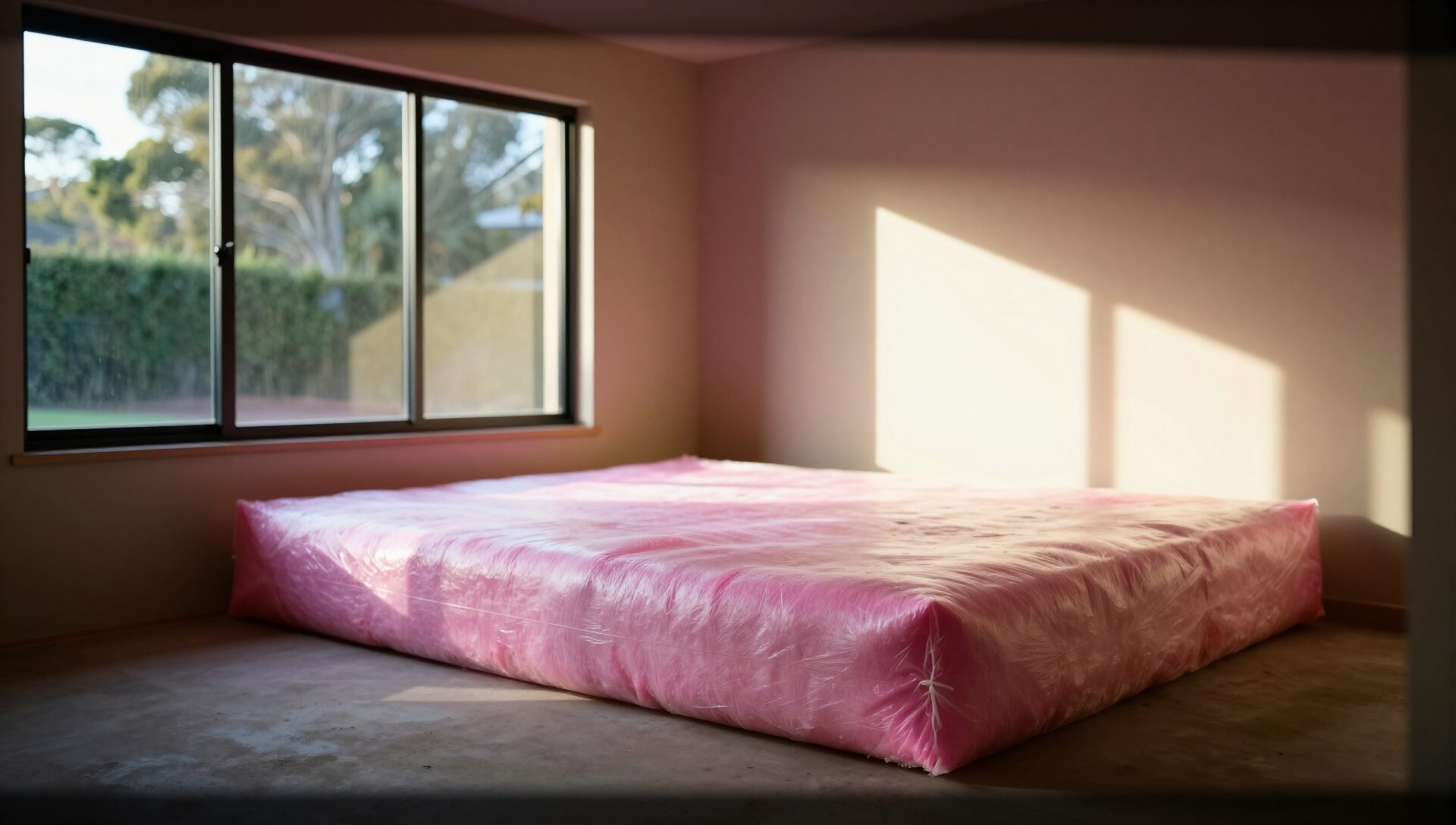
Deer Park’s mix of older weatherboards and postwar brick veneer homes often lack adequate insulation. Bulk batts address the main paths of heat transfer, improving comfort and cutting running costs for heating and cooling.
By slowing heat flow through ceilings, walls and floors, bulk insulation reduces the workload on heaters and air conditioners. Homeowners in Deer Park typically see noticeable drops in energy use after installation.
Bulk batts keep warmth in during cold winters and heat out during hot summers. This evens out indoor temperatures, so living spaces stay comfortable without constant adjustments to thermostats.
Dense batts absorb airborne sound, reducing noise transfer between rooms and from outside. This is especially useful in Deer Park homes near busy roads or in denser neighbourhoods.
Modern glasswool and polyester batts are treated to resist moisture, which helps prevent mould and maintains thermal performance in Melbourne’s damp winters.
Rockwool and glasswool batts are non-combustible, adding a layer of fire resistance to wall and ceiling cavities without compromising insulation performance.
Properly installed bulk insulation retains its thickness and R-value for decades. It does not settle or degrade like some loose-fill products, ensuring consistent thermal resistance.
Installation starts with a thorough assessment of your home’s construction, existing insulation and access points. We then select the right product and R-value for each area before fitting batts neatly without gaps or compression.
We check the roof space, wall cavities and subfloor for existing insulation, structural details and potential obstacles like cables or downlights. This determines the suitable R-values and product types for your Deer Park home.
Old, compressed or damaged batts are removed if needed, and the area is cleared of dust and debris. For walls, we confirm the stud framing is exposed and accessible during renovations or extensions.
Batts are cut to fit snugly between joists, studs or floor bearers without gaps or compression. We maintain required clearances around downlights, flues and electrical cables to meet safety standards.
We remove all offcuts and packaging, then do a final walk-through to ensure the insulation is evenly installed and there are no exposed gaps that could reduce performance.
Deer Park’s mix of postwar brick veneer and older weatherboard homes often have little to no insulation in ceilings, walls or floors. Bulk batts are a straightforward upgrade that addresses the main paths of heat transfer, improving comfort and reducing energy costs in a suburb exposed to Melbourne’s cold winters and hot summers.
Reduce heat loss and gain with bulk batts in ceilings, walls and floors for Deer Park homes.
Homeowners in Deer Park often ask about product choices, R-values and whether bulk insulation can be added to existing homes. Here are the key details.
Bulk insulation in Deer Park uses dense batts of glasswool, polyester or rockwool to trap still air and resist heat flow. In ceilings, it slows winter heat loss through the roof space, while in walls and floors it reduces heat transfer from outside and between living areas. For Deer Park’s brick veneer and weatherboard homes, this upgrade cuts heating and cooling costs and improves year-round comfort.
Typical R-values for bulk insulation in Melbourne homes are R4.0 to R6.0 for ceilings, R2.0 to R2.7 for walls and R1.5 to R2.5 for underfloor applications. The right R-value depends on your budget, climate exposure and the existing thermal performance of your home. Higher R-values provide greater resistance to heat flow but may require thicker batts and more space between framing members.
Installation in Deer Park involves fitting batts between ceiling joists, inside wall cavities during renovations or under suspended timber floors. Access, roof pitch and the presence of existing insulation can affect the time and cost of the job. If old batts are compressed, wet or damaged, they should be removed before new insulation is installed to ensure consistent thermal performance.
Improve comfort and cut energy costs with bulk insulation for your Deer Park home. We install glasswool, polyester and rockwool batts in ceilings, walls and floors.