
Warmer floors in winter
Insulation under the floor stops cold air rising through gaps in the timber, so floors feel warmer to walk on and rooms heat up faster.
Deer Park
Underfloor insulation in Deer Park stops cold floors and draughts through floorboards by fitting batts between joists in the subfloor. Expert Insulation Melbourne installs polyester or glasswool batts under suspended timber floors in Deer Park homes.
Share your details and Expert Insulation Melbourne will contact you about Underfloor Insulation in Deer Park.
Underfloor insulation is installed between the floor joists from the subfloor under suspended timber floors. It blocks cold air rising through gaps in the floorboards and reduces draughts that make rooms feel colder. In Deer Park, many brick veneer and weatherboard homes on stumps have exposed subfloors that benefit from this upgrade. Typical R-values for underfloor insulation range from R1.
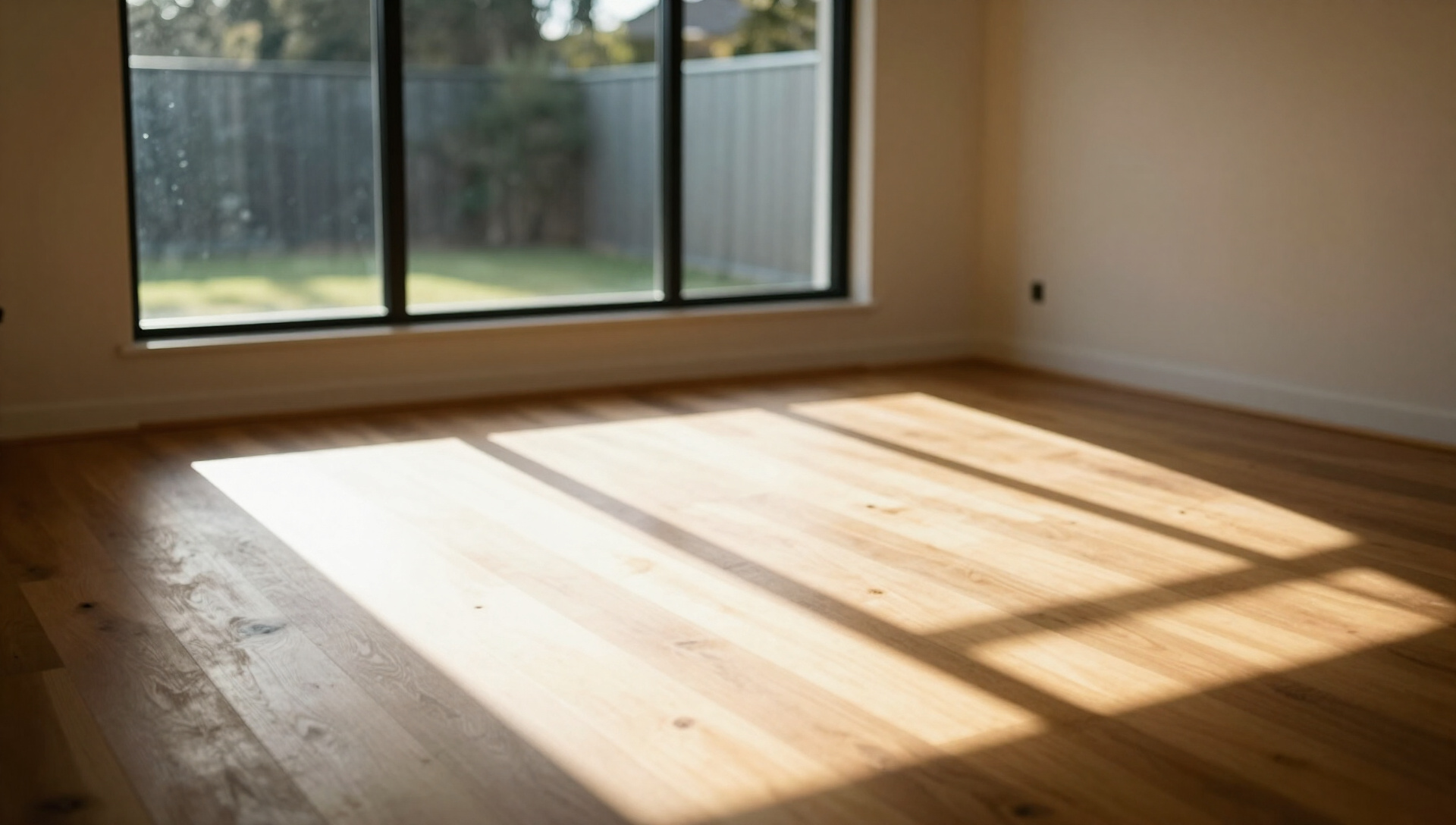
Deer Park winters are cold and damp, and many homes here have suspended timber floors that let cold air rise through the floorboards. Underfloor insulation addresses this by creating a thermal barrier beneath the floor, which keeps living spaces warmer and reduces heating costs.
Insulation under the floor stops cold air rising through gaps in the timber, so floors feel warmer to walk on and rooms heat up faster.
Sealing the subfloor with batts blocks the airflow that causes draughts, making the home more comfortable and consistent in temperature.
With less cold air entering from below, your heater doesn’t have to work as hard, which can reduce energy bills over time.
In damp conditions, underfloor insulation can reduce moisture buildup in the subfloor, which helps prevent condensation on the underside of the floor.
Combined with ceiling insulation, underfloor batts create a more even temperature throughout the home, reducing cold spots near the floor.
The work is done from the subfloor, so there’s no need to remove floor coverings or disturb the living areas above.
Installing underfloor insulation in Deer Park starts with a site check to confirm access and measure the subfloor. The team then fits batts between the joists, securing them so they stay in place and maintain the required R-value.
First, we inspect the subfloor to confirm there is enough crawl space for safe access and measure the joist spacing. If old insulation is present and may contain asbestos, work stops until a qualified assessor inspects it.
The area under the floor is cleared of debris and any existing loose material. We also check for moisture issues or pest damage that could affect the new insulation.
Polyester or glasswool batts are cut to fit snugly between the joists, ensuring full coverage with no gaps. The batts are held in place with friction fit or staples to rafters where needed.
Once all batts are in place, we do a final check to ensure they are secure and there are no gaps. The subfloor is then left clean, with all debris removed.
Deer Park has a mix of older weatherboard homes and postwar brick veneer houses, many with suspended timber floors on stumps or bearers. These homes often suffer from cold floors in winter due to uninsulated subfloors. Underfloor insulation is a practical upgrade that improves comfort without major renovations. Nearby suburbs like Sunshine and Ardeer have similar housing stock that also benefits from this service.
Underfloor insulation in Deer Park stops cold floors and draughts in suspended timber floor homes.
Homeowners in Deer Park often ask about access, R-values and whether underfloor insulation is worth it for older homes. Here are the key details.
Underfloor insulation in Deer Park is fitted between the joists in the subfloor under suspended timber floors. It blocks cold air rising through floorboards, which is a common issue in older weatherboard and brick veneer homes in the area. The batts are installed from below, so there is no need to lift floor coverings or disturb the living space above.
Typical R-values for underfloor insulation range from R1.5 to R2.5, depending on the product and the depth of the joists. Polyester and glasswool batts are the most common choices, as they provide good thermal resistance and are easy to fit between standard joist spacings. The work requires enough crawl space for safe access, which most Deer Park homes on stumps or bearers have.
The main benefits are warmer floors in winter, fewer draughts through floorboards and lower heating costs. It also helps control condensation in damp subfloors by reducing temperature differences. For homes in Deer Park with cold floors and high heating bills, underfloor insulation is a cost-effective way to improve comfort year-round.
Stop cold floors and draughts in your Deer Park home with underfloor insulation installed by Expert Insulation Melbourne. We fit polyester or glasswool batts under suspended floors to improve warmth and reduce heating costs.